Understanding Errors and Omissions Insurance in Washington State: A Comprehensive Guide for Professionals

Errors and omissions insurance in Washington State isn’t just another business expense—it’s your shield against the unpredictable world of professional mistakes. Imagine this: you’ve spent years building your reputation, only to face a claim for something you didn’t foresee. That’s where E&O insurance steps in, offering a safety net tailored to your specific profession.
In today’s fast-paced professional landscape, having the right insurance isn’t just a safeguard—it’s a cornerstone of smart business strategy. Whether you’re a consultant, real estate agent, or any professional offering expertise, understanding the nuances of E&O insurance in Washington State can mean the difference between thriving and surviving.
Understanding Errors and Omissions Insurance in Washington State
Did you know that a single lawsuit can cost you thousands of dollars even if you’re not at fault? That’s why Errors and Omissions (E&O) insurance is a must-have for many professionals in Washington State. Let’s dive into what makes this coverage so crucial.
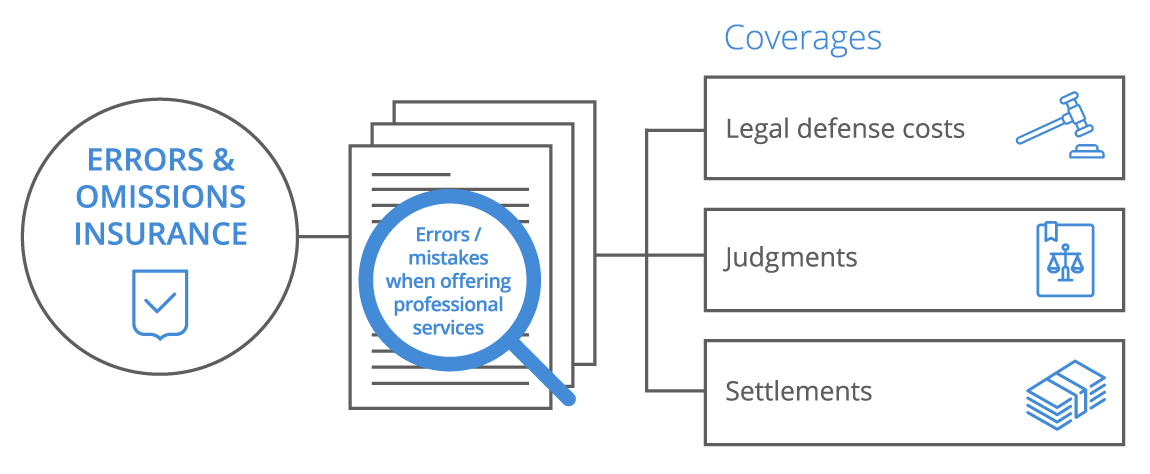
E&O insurance covers you when your client claims that your work was inadequate or you made a mistake that caused them financial harm. It’s like having a safety net for your professional reputation and finances.
Who Needs Errors and Omissions Insurance?
If you’re a consultant, real estate agent, or any professional offering advice or services, you likely need E&O insurance. Why? Because one slip-up or miscommunication can lead to a costly lawsuit. Even if you’re the best in your field, mistakes happen!
The reality is, without E&O coverage, you’re exposing yourself to significant risk. Washington State has its own set of regulations, so understanding them is key to ensuring you’re fully protected.
The Regulatory Environment in Washington State
Washington State has specific regulations governing E&O insurance. The Washington State Office of the Insurance Commissioner oversees these policies, ensuring that professionals meet the necessary coverage standards. Ignoring these regulations could leave you vulnerable in a legal dispute.
Here is the deal: staying compliant with state regulations not only protects you legally but also boosts your credibility with clients.
Differences Between E&O and Other Liability Insurances
What’s the difference between E&O and general liability insurance? General liability covers physical damages and bodily injuries, while E&O covers professional mistakes and negligence.
Think of it like this: if a client trips over a cord in your office, general liability kicks in. But if they sue you for giving bad advice, that’s where E&O saves the day.
Pro Tip: Always customize your E&O policy to match your specific industry needs.
Coverage Details and Limitations
E&O insurance is your safety net when professional missteps happen. But what does it actually cover, and where does it draw the line?
Understanding the ins and outs of Errors and Omissions Insurance is crucial if you’re a professional in Washington State. This coverage is all about protecting you from the fallout of mistakes or oversights that could lead to legal claims. Yet, it’s not a catch-all solution. There are specific details and limitations you need to be aware of.
What Does E&O Insurance Typically Cover?
You might be wondering, “What exactly is covered under my E&O policy?” The answer is straightforward. E&O insurance generally covers legal fees, settlements, and judgments that arise from claims of negligence, errors, or omissions in your professional services. This means if a client claims that your service or advice caused them financial loss, your E&O policy steps in.
Here is the deal: while it seems comprehensive, it does not cover everything. Intentional misconduct or fraud is a big no-no. Additionally, physical damage or bodily injuries are often outside the scope of E&O coverage.
Common Exclusions in E&O Policies
Exclusions can be a minefield. Many E&O policies exclude claims arising from fraudulent acts, criminal activities, and illegal discrimination practices. It’s crucial to read the fine print. Intellectual property violations, such as copyright infringement, are also commonly excluded unless explicitly added.
Pro Tip: Always discuss the exclusions with your insurance provider to ensure you have tailored coverage that meets your specific needs.
Scenarios Where E&O Insurance Applies
Imagine this: you’re a consultant who gave advice to a client that inadvertently led to financial loss. Or perhaps you’re a real estate agent who forgot to disclose critical property information. These are classic examples where E&O insurance would be applicable. But remember, timing is key. The policy usually only covers claims made during the policy period.
Comparing Coverage Options in Washington State
When it comes to E&O insurance, one size does not fit all. Coverage options vary widely across providers in Washington State. Here’s a quick look at some options:
| Provider | Covered Claims | Exclusions |
|---|---|---|
| Company A | Negligence, Misrepresentation | Fraud, Criminal Acts |
| Company B | Consulting Errors, Document Errors | Bodily Injury, Property Damage |
| Company C | Professional Negligence, Advice Errors | Intentional Acts, Patent Infringements |
When choosing a policy, consider how each provider’s coverage aligns with your specific risks and professional activities. It’s not just about the price tag but the peace of mind that comes from knowing you’re fully protected.
Benefits of Errors and Omissions Insurance for Professionals

Ever wondered what could protect your career from a costly mistake? Errors and Omissions (E&O) Insurance is the answer. It’s the safety net every professional needs, especially in a state like Washington where litigation can easily break the bank.
Professionals from real estate agents to consultants can benefit from this insurance. It shields you from the financial fallout of claims like negligence or failure to deliver the promised results. The peace of mind knowing that you’re covered is priceless!
Protection for Specific Professional Groups
Real Estate Agents: In the fast-paced world of property sales, a tiny slip-up can cost millions. An E&O policy ensures that you aren’t personally liable for these errors. Consultants: Your advice is gold. But sometimes, even gold can tarnish. E&O insurance keeps you financially stable when advice doesn’t pan out as planned.
Reputation and Financial Stability
Imagine a client sues you for a mistake you didn’t even know you made. Without E&O insurance, your personal assets could be at risk. E&O insurance protects your reputation by handling claims professionally and ensuring you’re not out of pocket. Here’s the deal: your career shouldn’t end over a misunderstanding or a minor error.
Risks of Not Having E&O Insurance
Think you can go without it? Think again. A single lawsuit can drain your finances and tarnish your reputation. In Washington State, the costs of legal defense and settlements can be astronomical. Don’t gamble with your future; invest in E&O insurance.
Advantages for Small Business Owners
As a small business owner, you might think you’re flying under the radar. But even minor errors can lead to major headaches. Here’s a quick rundown of why E&O insurance is a no-brainer:
- Legal Cost Coverage: Don’t let legal fees sink your business.
- Client Trust: Show you’re serious about accountability.
- Financial Security: Protect your assets from being seized.
- Peace of Mind: Focus on growth, not lawsuits.
Pro Tip: Ensure your E&O policy covers your specific services and potential risks.
Obtaining Errors and Omissions Insurance in Washington State
Have you ever wondered how to shield your business from costly mistakes? That’s where Errors and Omissions Insurance comes into play. But how do you actually get it in Washington State?
Here’s the deal: securing E&O insurance isn’t rocket science, but you need a clear roadmap to navigate through. From understanding the key factors influencing costs to selecting the right insurer, let’s break it down step-by-step.
Steps to Acquire Errors and Omissions Insurance
You can’t just wake up one day and get covered. But it’s not a massive headache either. Here are the steps:
- Research different insurance providers. Start by gathering a list of potential insurers in Washington State.
- Request quotes from these providers. This will give you a ballpark idea of what you’re looking at cost-wise.
- Compare coverage options. Make sure to look beyond the price. The cheapest policy might not offer the coverage you need.
- Consult an expert. Talk to an insurance broker who specializes in E&O insurance to ensure you’re not missing anything crucial.
- Purchase your policy. Once you’re satisfied with your choice, seal the deal and get covered.
Factors Affecting the Cost of E&O Insurance
Why do some people pay more than others for E&O insurance? It’s not a lottery. Here are the key factors:
- The industry you’re in significantly impacts the cost. Riskier industries usually pay higher premiums.
- Your business size and revenue can also dictate the price. Bigger money, bigger risk.
- The amount of coverage you select directly affects the cost. Higher limits mean higher premiums.
- Your claims history can either make or break your premium. A clean slate often results in better rates.
Pro Tip: Always opt for policies that cover your specific business risks, not just the cheapest option available.
Choosing the Right Insurance Provider
Not all insurance providers are created equal. How do you pick the right one?
First, check their reputation. Online reviews and testimonials can be telling. Next, evaluate their customer service. You want a provider who is responsive and easy to work with. Finally, consider their experience in your industry. A provider familiar with your niche can offer more tailored coverage.
Sample Comparison Table for Insurance Providers
To make a well-informed decision, you need to compare. Here’s a quick table to help:
| Provider | Coverage Limit | Annual Premium | Customer Rating |
|---|---|---|---|
| InsureCo | $1,000,000 | $800 | 4.5/5 |
| SafeGuard Inc. | $2,000,000 | $1,200 | 4.7/5 |
| CoverSure | $1,500,000 | $950 | 4.3/5 |
Case Studies and Real-life Examples
Ever wonder how crucial errors and omissions insurance really is? Let’s dive into some real-world examples that reveal the true power of this coverage.
Understanding the importance of errors and omissions (E&O) insurance can feel like a daunting task. BUT when you see how it has protected professionals in Washington State, everything becomes crystal clear. Let’s explore some case studies and pull back the curtain on how E&O insurance has been a lifesaver.
Game-Changing Case Studies from Washington State
In one striking case, a real estate agent in Seattle was sued for allegedly misrepresenting property details. The client claimed that vital information was omitted, costing them thousands. Thanks to the agent’s E&O insurance policy, legal defense costs were covered, and the case was settled without crippling their finances.
Another example involves a tech consultant who faced claims of providing faulty software solutions. The client argued that the software led to operational disruptions and financial loss. Here is the deal: without E&O coverage, the consultant would have been on the hook for a six-figure settlement. The insurance not only covered the litigation expenses but also the settlement amount, saving their business.
Pro Tip: Always review your E&O policy limits and ensure they align with the potential risks of your industry.
Lessons Learned from E&O Claims
The real-world claims teach us invaluable lessons. One major takeaway? Documentation is key! In several cases, the absence of detailed records has led to prolonged litigation and higher settlements. Make it a habit to document every client interaction and maintain thorough records.
These cases have also influenced insurance practices by pushing companies to design more tailored policies. Insurers now offer industry-specific E&O plans, understanding that one size does not fit all. This shift ensures that professionals receive coverage that truly meets their needs.
Future Trends and Developments in E&O Insurance

Is your Errors and Omissions insurance keeping up with the times? In a rapidly evolving market, staying ahead of the curve is critical.
There are key shifts and advancements in E&O insurance you can’t afford to ignore. From legislative changes to tech innovations, the landscape is more dynamic than ever. Let’s dive into what’s coming down the pike.
Emerging Trends in the E&O Insurance Market
The E&O insurance market is shifting fast, influenced by new business models and digital transformation. We’re seeing a rise in tailored policies, catering to specific industry needs. With the gig economy booming, freelancers and independent contractors are becoming a significant part of the client base. Insurers are adapting by offering flexible, on-demand coverage.
Moreover, there’s a push towards more transparent pricing. Policyholders want clarity, and insurers are slashing the fine print. This trend is making E&O insurance more accessible and understandable for everyone.
Potential Legislative Changes
Washington State might see some big legislative changes affecting E&O insurance soon. Lawmakers are considering stricter regulations to protect consumers, which could mean more robust coverage requirements for professionals.
Here is the deal: tighter regulations might increase premiums. BUT, they could also enhance the reliability and trustworthiness of these policies. It’s a double-edged sword that’s worth watching closely.
Technological Advancements Affecting E&O Coverage
Technology is not just a buzzword; it’s reshaping how insurers approach E&O coverage. Insurers are leveraging artificial intelligence to better assess risks and set premiums more accurately. This means you might see faster, more personalized service.
Pro Tip: Keep an eye out for insurers using blockchain for policy verification. It’s poised to enhance security and reduce fraud, ensuring your coverage is rock-solid.
Predictions for the Future State of E&O Insurance
So, what’s next? Here are some predictions:
- Increased demand for cyber E&O coverage as digital threats escalate.
- More insurers offering customizable policies to meet specific needs.
- Greater integration of IoT data to refine coverage and risk assessment.
- Legislative shifts towards stricter consumer protection laws.
- Growth in usage-based insurance models for flexibility and cost-efficiency.
The future of E&O insurance is not just about reaction but anticipation. Stay informed, adapt, and ensure your coverage aligns with emerging trends.
Summary
In conclusion, errors and omissions insurance in Washington State isn’t just an optional add-on—it’s a strategic necessity. By proactively safeguarding your professional reputation and financial stability, you’re not only protecting your current assets but also setting the stage for future success. So, as you navigate the complexities of your industry, let E&O insurance be your trusted ally, ensuring that you’re always prepared for whatever challenges come your way.
Answers to Common Questions
What is the basic concept of errors and omissions insurance?
Errors and omissions insurance, or E&O insurance, is a type of liability insurance that protects professionals against claims of inadequate work or negligent actions.
Who typically needs errors and omissions insurance in Washington State?
Professionals such as consultants, real estate agents, and financial advisors typically need E&O insurance to safeguard against potential claims.
What are common exclusions in E&O insurance policies?
Common exclusions include fraudulent acts, bodily injury, and property damage, which are usually covered by other types of insurance.
How does E&O insurance differ from other liability insurances?
E&O insurance specifically covers professional mistakes and negligence, whereas general liability covers bodily injury and property damage.
What are the steps to acquire E&O insurance in Washington State?
To acquire E&O insurance, assess your coverage needs, compare providers, review policy options, and purchase a plan that fits your professional requirements.